Module 16: Sexually Transmitted Infections (STIs)
Learning Objectives
Section titled “Learning Objectives”By the end of this module, students should be able to:
-
Describe the common sexually transmitted infections (STIs) and their dermatological manifestations.
-
Recognize clinical presentations and differentiate between bacterial, viral, and parasitic STDs.
-
Outline diagnostic approaches, including history, physical examination, and laboratory tests.
-
Formulate evidence-based treatment plans.
-
Emphasize the importance of prevention, partner notification, and counselling.
Introduction
Section titled “Introduction”Sexually transmitted diseases (STDs) encompass a wide range of infections transmitted primarily through sexual contact. Many STDs present with cutaneous or mucocutaneous signs, making dermatological assessment crucial. Early recognition and management are essential to prevent complications and transmission.
Common STDs: Clinical Features, Diagnosis & Treatment
Section titled “Common STDs: Clinical Features, Diagnosis & Treatment”1. Syphilis
Section titled “1. Syphilis”-
Aetiology: Treponema pallidum
-
Stages:
-
Primary: Painless chancre
-
Secondary: Maculopapular rash (palms/soles), mucous patches, condyloma lata
-
Tertiary: Gummas, neurosyphilis, cardiovascular involvement
-
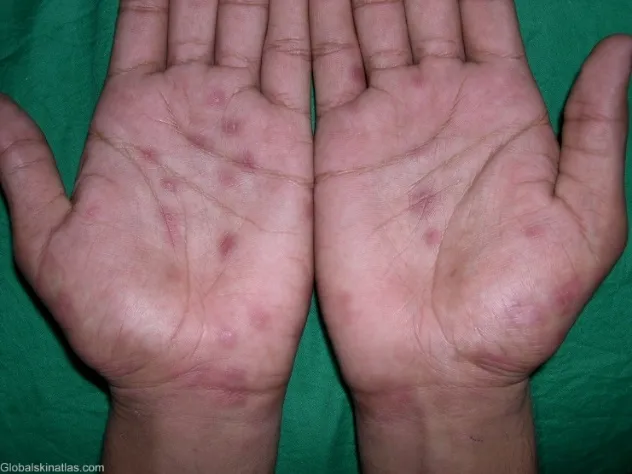
Fig. 16.1: Secondary syphilis
-
Diagnosis: VDRL/RPR (screening), TPHA/FTA-ABS (confirmation)
-
Treatment (CDC 2021):
-
Early syphilis: Benzathine penicillin G 2.4 million units IM single dose
-
Late latent/tertiary: Benzathine penicillin G 2.4 million units IM weekly × 3 weeks
-
Neurosyphilis: Aqueous crystalline penicillin G 18–24 million units/day IV × 10–14 days
-
-
Post-Exposure Prophylaxis (BASHH 2025):
- DoxyPEP: Doxycycline 200 mg orally within 24–72 hours post-exposure for high-risk groups
2. Genital Herpes
Section titled “2. Genital Herpes”-
Aetiology: HSV-1 or HSV-2
-
Presentation: Painful grouped vesicles → ulcers, recurrent episodes
-
Diagnosis: PCR preferred; Tzanck smear (less sensitive)
-
Treatment:
-
Initial episode: Acyclovir 400 mg TID × 7–10 days
-
Recurrent: Acyclovir 400 mg TID × 5 days or 800 mg BID × 5 days
-
Suppressive: Acyclovir 400 mg BID long-term (recommended for frequent recurrences per CDC 2025)
-
3. Gonorrhoea
Section titled “3. Gonorrhoea”-
Aetiology: Neisseria gonorrhoeae
-
Presentation: Urethral/vaginal discharge, dysuria, pharyngitis, proctitis
-
Diagnosis: NAAT (preferred), culture for resistance testing
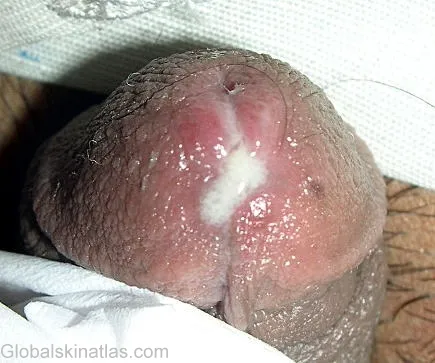
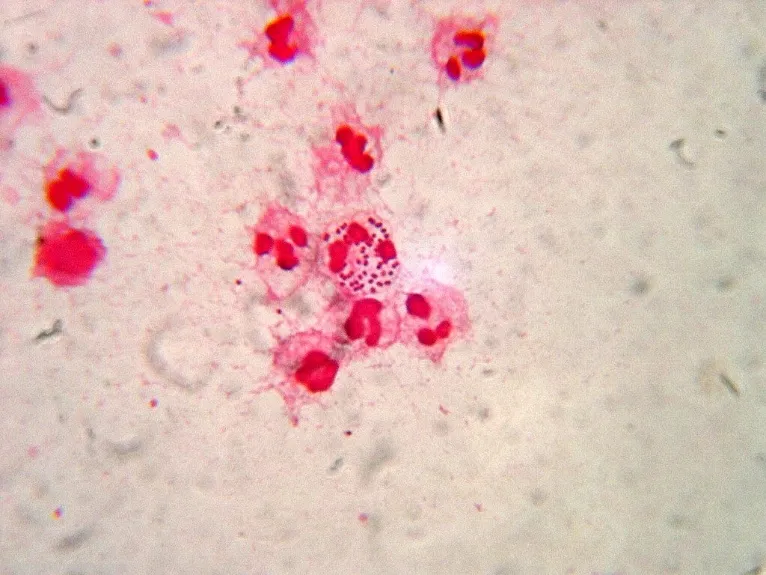
Fig. 16.2: Urethral discharge and Gram-negative diplococci
-
Treatment (BASHH 2025):
-
First-line: Ceftriaxone 1 g IM single dose
-
Alternatives:
-
Cefixime 400 mg orally × 2 doses + Azithromycin 2 g orally
-
Gentamicin 240 mg IM + Azithromycin 2 g orally
-
Ciprofloxacin 500 mg orally (if susceptibility confirmed)
-
-
-
Counselling: Abstain from sex for 7 days post-treatment; treat partners
4. Chlamydia
Section titled “4. Chlamydia”-
Aetiology: Chlamydia trachomatis
-
Presentation: Often asymptomatic; urethritis, cervicitis, pelvic inflammatory disease (PID)
-
Diagnosis: NAAT
-
Treatment (CDC 2021):
-
First-line: Doxycycline 100 mg BID × 7 days
-
Alternatives: Azithromycin 1 g single dose (in pregnancy)
-
5. Human Papillomavirus (HPV)
Section titled “5. Human Papillomavirus (HPV)”-
Aetiology: HPV types 6, 11 (warts); 16, 18 (oncogenic)
-
Presentation: Genital warts, cervical dysplasia
-
Diagnosis: Clinical; biopsy if atypical
-
Treatment:
- Cryotherapy, imiquimod 5% cream, electrocautery
-
Prevention: HPV vaccine (Gardasil 9)
6. Trichomoniasis
Section titled “6. Trichomoniasis”-
Aetiology: Trichomonas vaginalis
-
Presentation: Frothy, yellow-green discharge, itching
-
Diagnosis: Wet mount microscopy, NAAT
-
Treatment: Metronidazole 2 g orally single dose or 500 mg BID × 7 days
7. HIV and Dermatological Manifestations
Section titled “7. HIV and Dermatological Manifestations”-
Skin signs: Seborrhoeic dermatitis, Kaposi sarcoma, molluscum contagiosum
-
Diagnosis: Rapid test, ELISA, Western blot
-
Treatment: Antiretroviral therapy (ART)
Common Vaginal Infections: Clinical Summary
Section titled “Common Vaginal Infections: Clinical Summary”Vaginal infections are a significant concern in reproductive health due to their potential impact on pregnancy outcomes and fertility. Untreated infections such as gonorrhoea, chlamydia, trichomoniasis, and bacterial vaginosis can lead to complications including pelvic inflammatory disease (PID), ectopic pregnancy, preterm labour, and infertility. Early diagnosis and appropriate treatment based on current guidelines are essential to mitigate these risks.
Table 16.1: Common Vaginal Infections
| Infection | Aetiology | Incubation Period | Clinical Presentation | Diagnosis | Treatment |
|---|---|---|---|---|---|
| Gonorrhoea | Neisseria gonorrhoeae | 2–7 days | Purulent discharge, dysuria, pelvic pain | NAAT, culture | Ceftriaxone 1 g IM single dose (BASHH 2025) |
| Trichomoniasis | Trichomonas vaginalis | 5–28 days | Frothy yellow-green discharge, itching | Wet mount, NAAT | Metronidazole 2 g orally single dose |
| Bacterial Vaginosis | Polymicrobial (Gardnerella vaginalis predominant) | Unknown (overgrowth related) | Thin grey discharge, fishy odour | Amsel criteria, Gram stain | Metronidazole 500 mg BID × 7 days |
| Chlamydia | Chlamydia trachomatis | 7–21 days | Often asymptomatic, mucopurulent discharge | NAAT | Doxycycline 100 mg BID × 7 days (CDC 2021) |
Prevention and Counselling
Section titled “Prevention and Counselling”-
Safe sex: Condom use, regular screening
-
Partner notification: Legal and ethical responsibility
-
Vaccination: HPV, Hepatitis B
-
Psychosocial support: Address stigma, mental health
-
Education: Importance of early diagnosis and adherence
Multiple Choice Questions
Section titled “Multiple Choice Questions”Tap an answer to check yourself — the correct option and an explanation appear once you choose.
Q1 Which STI presents with a painless genital ulcer?
Primary syphilis (Treponema pallidum) classically produces a painless, indurated chancre at the site of inoculation. Genital herpes causes painful grouped vesicles and ulcers; gonorrhoea presents with purulent discharge and dysuria; chlamydia is often asymptomatic.
Q2 Which investigation is the most sensitive and preferred test for diagnosing genital herpes?
PCR (nucleic acid amplification) is the most sensitive method for diagnosing genital herpes and is the preferred test per CDC 2025 guidance. Tzanck smear shows multinucleated giant cells but is less sensitive; VDRL is a syphilis screening test; Gram stain identifies bacterial organisms.
Q3 Which STI is commonly asymptomatic in females?
Chlamydia trachomatis infection is frequently asymptomatic in women, which is why NAAT-based screening is important. Untreated, it can progress to pelvic inflammatory disease, ectopic pregnancy, and infertility. Gonorrhoea and trichomoniasis typically cause symptomatic discharge; primary syphilis produces a chancre.
Q4 What is the first-line treatment for gonorrhoea per BASHH 2025 guidelines?
BASHH 2025 recommends ceftriaxone 1 g IM as a single-dose first-line treatment for gonorrhoea due to increasing resistance to fluoroquinolones and azithromycin. Ciprofloxacin is only used if susceptibility is confirmed; doxycycline is first-line for chlamydia; azithromycin alone is no longer recommended as monotherapy for gonorrhoea.
Q5 Which of the following is a recognised dermatological manifestation of HIV infection?
Kaposi sarcoma (HHV-8-associated vascular tumour), along with molluscum contagiosum and seborrhoeic dermatitis, is a recognised cutaneous manifestation of HIV. Condyloma lata is a feature of secondary syphilis; genital warts are caused by HPV types 6 and 11; a painless chancre is the hallmark of primary syphilis.
Short Answer Questions
Section titled “Short Answer Questions”SAQ 1: Dermatological Signs of Secondary Syphilis
Section titled “SAQ 1: Dermatological Signs of Secondary Syphilis”SAQ
List three dermatological manifestations of secondary syphilis and describe their characteristic features.
Reveal model answer
-
Maculopapular rash (palms and soles) — a widespread, non-pruritic copper-coloured maculopapular eruption that characteristically involves the palms and soles; this distribution helps distinguish secondary syphilis from other rashes.
-
Mucous patches — greyish-white erosions or plaques on oral and genital mucosa; they are highly infectious as they contain abundant Treponema pallidum.
-
Condyloma lata — flat, moist, broad-based warty plaques in warm, moist intertriginous areas (perianal, genital, axillary); distinct from condyloma acuminata (HPV warts), which are pedunculated.
SAQ 2: Management of Genital Warts
Section titled “SAQ 2: Management of Genital Warts”SAQ
Outline the management of genital warts, including treatment options and preventive measures.
Reveal model answer
Treatment options:
- Cryotherapy — freezing of wart tissue; applied in clinic, often requires multiple sessions.
- Topical imiquimod 5% cream — patient-applied immunomodulator; used at home on visible warts.
- Electrocautery — surgical destruction; used for larger or refractory lesions.
Prevention:
- HPV vaccination (Gardasil 9) — covers HPV types 6 and 11 (responsible for anogenital warts) and oncogenic types 16 and 18; most effective before first sexual exposure.
- Safe sex practices — condom use and regular STI screening reduce transmission risk.
OSCE Stations
Section titled “OSCE Stations”OSCE 1: STI Counselling
Section titled “OSCE 1: STI Counselling”Scenario: You are a medical student in a sexual health clinic. A 22-year-old woman presents with painful genital ulcers and is anxious about her diagnosis.
Task: Take a focused sexual history, explain the likely diagnoses and diagnostic approach, and provide counselling on treatment, confidentiality, and partner notification.
Self-assess against checklist
Tick each point you covered, then check your score.
- Takes a focused sexual history: number of partners, condom use, last sexual contact, previous STIs.
- Explains that painful genital ulcers are most consistent with genital herpes (HSV), while a painless ulcer would raise concern for primary syphilis.
- Discusses that PCR is the preferred test for confirming genital herpes; VDRL/RPR and TPHA/FTA-ABS are used for syphilis.
- Explains the treatment plan: acyclovir for genital herpes (initial and suppressive therapy); benzathine penicillin for syphilis if confirmed.
- Reassures about confidentiality of the consultation.
- Emphasises the legal and ethical responsibility of partner notification.
- Provides education on safe sex: consistent condom use and regular STI screening.
- Discusses HPV and Hepatitis B vaccination as additional preventive measures.
- Addresses psychosocial concerns: reduces stigma, offers follow-up and mental health support.